
Choosing a restoration company after water damage, a fire, or a mold discovery is one of the few purchasing decisions you’ll make while your house is still in crisis mode. That combination, urgency plus stress plus unfamiliar territory, is exactly where bad contractors thrive. The short answer: slow down by about ten minutes, ask four or five specific questions before you sign anything, and understand that the company billing your insurance carrier is not automatically working in your interest. The rest of this post gives you the framework to tell the difference.
Why the Stakes Are Higher Than a Normal Contractor Hire
A plumber fixes a pipe and leaves. A restoration company documents your loss, interacts with your insurance adjuster, tears out structural materials, runs industrial drying equipment for days, and then hands off to reconstruction, sometimes all under one roof, sometimes not. A mistake at any stage can mean a denied claim, hidden moisture that grows mold behind new drywall, or a lien on your property from a subcontractor you never met.
Utah County’s housing stock adds a layer of complexity. A large share of American Fork’s homes were built during the rapid growth cycles of the 1980s through 2000s, when tract construction moved fast and vapor barriers, drainage planes, and crawl space details were not always installed to today’s standards. Older homes near the Wasatch foothills can sit on expansive soils that shift with freeze-thaw cycles, stressing foundations and the plumbing that runs through them. That context matters when a company is assessing how far water has traveled or whether a mold colony has a structural moisture source feeding it.
The Four Questions That Separate Serious Firms from Storm Chasers
Before you let anyone pull up with a truck and start tearing out drywall, get clear answers to these:
1. What certifications does your crew hold, and are they current? The IICRC (Institute of Inspection, Cleaning and Restoration Certification) sets the technical standards the industry runs on, the S500 for water damage, the S520 for mold remediation. A company that can’t name the standard they’re working to isn’t necessarily fraudulent, but they’re telling you something important about how they approach the work.
2. Are you licensed and insured in Utah, and can I see the certificate? A legitimate firm hands this over without hesitation. Verify the policy is current, not expired. Contractor fraud after natural disasters is well-documented nationally, and it happens in suburban Utah too.
3. Who actually does the work, your employees or subcontractors? Neither answer is automatically wrong, but you need to know. If they’re subcontracting the demo, the drying, and the rebuild to three different companies, ask how accountability works when something goes wrong.
4. How do you document the loss for my insurance claim? A professional restoration company creates a detailed scope of work, photographs affected materials before and after removal, and uses moisture mapping to show the adjuster exactly what was wet and why. If a company is vague about documentation, that’s a problem for your claim.
Red Flags to Watch For Before You Sign
These are patterns worth knowing:
- The Assignment of Benefits pressure play. Some contractors push hard for you to sign an AOB (Assignment of Benefits) form immediately, which transfers your insurance rights to them. This isn’t always predatory, but signing before you understand what you’re agreeing to removes your leverage. Read it, or have your agent explain it first.
- No written scope before work begins. Verbal estimates and handshake agreements are how disputes start. Get the scope of work, the drying protocol, and the projected timeline in writing.
- Unusually fast “mold clearance.” Mold remediation done correctly, containing the work area, using negative air pressure, removing affected materials, and post-remediation testing, takes time. A company that promises to clear a mold problem in a few hours is either working on a very small, isolated area or cutting corners.
- Pressure to skip the insurance process entirely. If a contractor suggests paying cash and not involving your carrier for a significant loss, ask yourself why. There are rare legitimate reasons, but it’s a question worth asking.
- No moisture readings at the end of drying. The job isn’t done when the equipment leaves, it’s done when the readings confirm the structure is back to normal moisture levels for your region. Ask to see the final moisture report.
What to Do in the First Hour After a Loss
For water damage specifically, the clock matters. Mold can begin colonizing porous materials within 24 to 48 hours of a moisture event, and the longer water sits behind walls or under flooring, the more material will need to come out.
- Stop the source. For a burst pipe, that means the main shutoff valve, typically near the water meter, which in American Fork is often in the front yard or a utility room. For an appliance leak, pull the supply line.
- Document before you touch anything. Walk the space and take photos and video on your phone. This is your independent record before any contractor or adjuster arrives.
- Move valuables and irreplaceable items out of the affected area if it’s safe to do so, but don’t start pulling up flooring or cutting drywall yourself. Disturbing materials before a professional assesses the extent of the damage can complicate your claim.
- Call your insurance company to open a claim, then call a restoration company. You don’t have to use whoever your carrier recommends, that’s your choice.
- Ventilate if it’s safe. Open windows and run fans to slow the moisture spread while you wait, but understand that fans alone won’t dry a structure, they move air, they don’t extract moisture from materials.
For fire damage, the calculus is different. Smoke residue is acidic and continues to etch surfaces and corrode metals for days after the fire is out. The priority is securing the structure, boarding openings, and beginning odor and soot documentation, not DIY cleanup with household products, which can set stains permanently.
What the Recovery Process Actually Looks Like
Restoration is not a single visit. A water damage job typically moves through extraction, structural drying (which can take several days depending on material types and humidity levels), demolition of materials that can’t be dried in place, and then reconstruction. Mold remediation adds containment setup and post-remediation verification testing. Fire jobs layer in odor neutralization and content cleaning alongside structural work.
Expect the professional to revisit daily during the drying phase to take moisture readings and adjust equipment placement. If a company drops equipment and disappears for a week, that’s not standard practice.
Throughout, keep your own file: every reading, every photo, every invoice, every conversation with your adjuster. Restoration claims can stretch over weeks, and the homeowner who documents everything is in a far stronger position if a dispute arises.
Making the Call
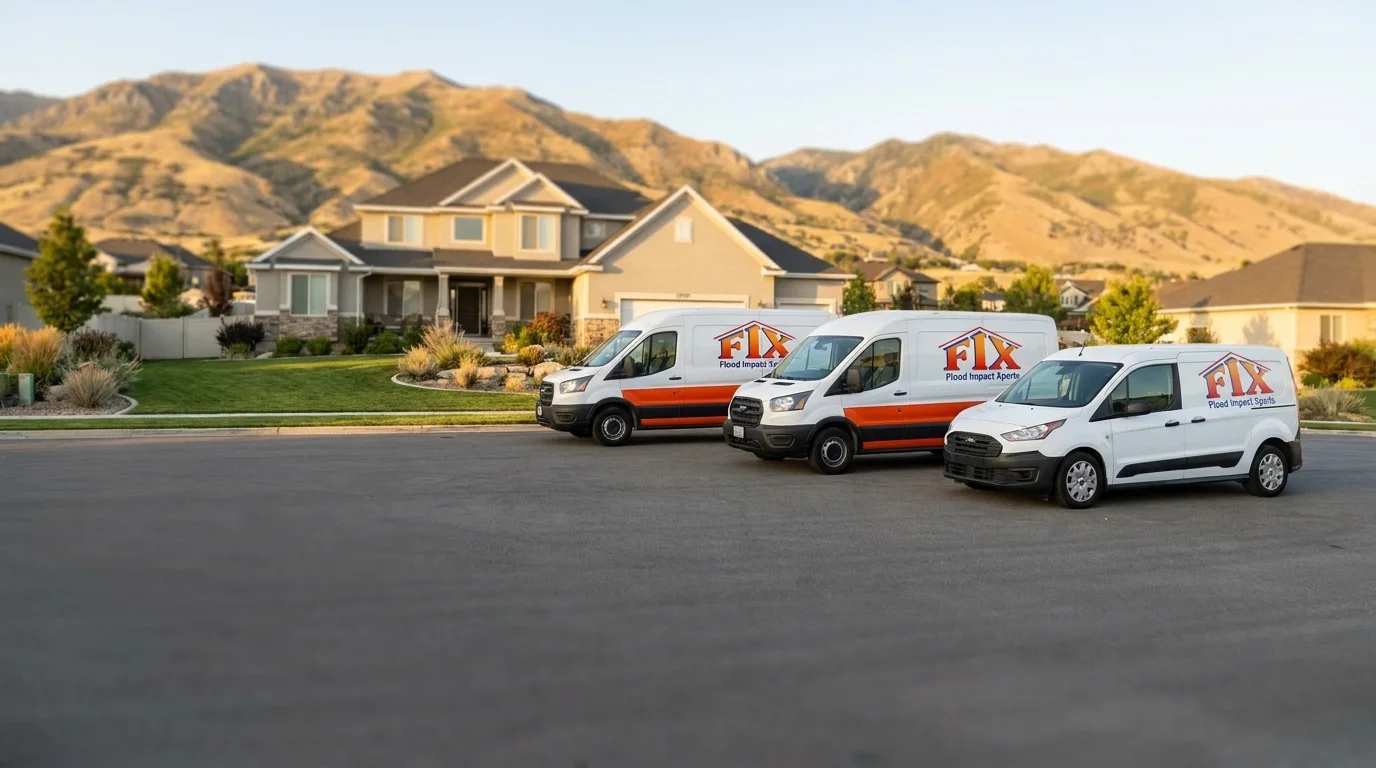
If you’re dealing with water intrusion, fire damage, or a mold situation in American Fork or the surrounding area and you want a team that can walk you through the process honestly, scope, documentation, drying protocol, and all, FIX Restoration is a local option worth a conversation. Reach them at (801) 930-9750. Even if you’re still in the research phase, a quick call can help you understand what questions to ask whoever you end up hiring.